The complexities of geopolitical conflicts and financial markets have always co-existed, including in the cryptocurrency space. Increased tensions with Iran create consistent volatility in global markets, as cryptocurrencies such as Bitcoin and Ethereum respond quickly to uncertainties.
Additionally, when investors look to find safe haven or alternative forms of financial systems, the crypto market is simultaneously reacting as both a benefactor and a victim of the instability created by geopolitical conflicts.
Global Market Fluctuations
Whenever there is an escalation in risk from military conflict with Iran, there is a tendency for caution in international markets. With traditional equities and commodities like oil, there are typically immediate price reactions. However, the same degree of instantaneous swings, as seen in the traditional financial markets, usually occur for cryptocurrencies.
In the past, investors have sought shelter in decentralized assets like Bitcoin during periods of political unrest in the Middle East, as a hedge against inflation, sanctions or banking restrictions. However, on the other hand, violent or fear-driven sell-offs can produce a significant amount of short-term capital loss across the entire cryptocurrency sector.
Bitcoin as a Storing of Value
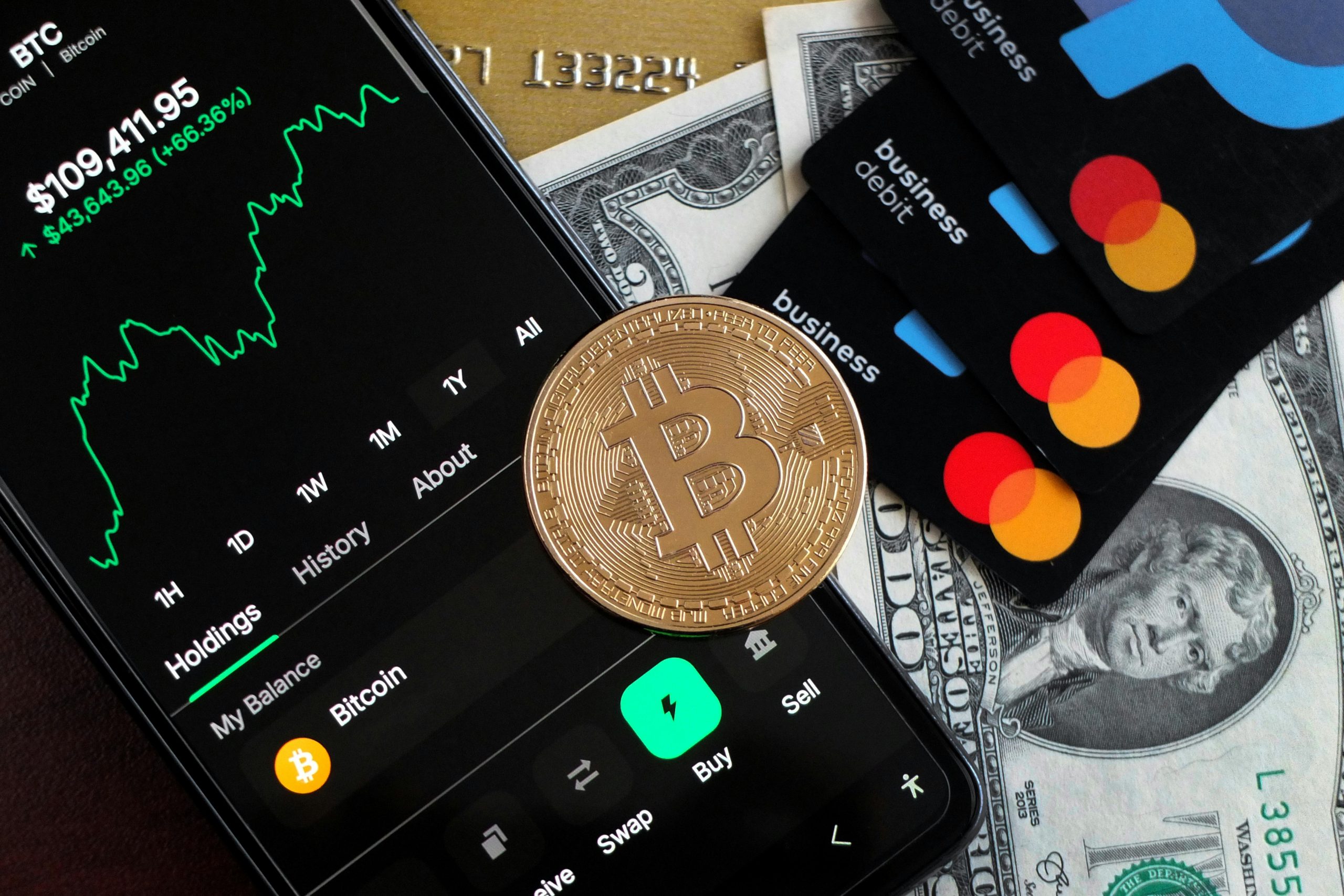
Many supporters of cryptocurrencies consider Bitcoin to be a form of “digital gold,” in that investors seek to hold an asset that isn’t controlled by the government or any element of the central banking system, when faced with a time of war or economic uncertainty. Consequently, as this perception has developed, there has been an increase in demand for Bitcoins.
Conclusion:
it’s ongoing tensions surrounding Iran have proven that cryptocurrency markets are deeply connected to global political and economic events. Whenever conflict intensifies, digital assets such as Bitcoin and Ethereum experience sharp volatility as investors react to fear, uncertainty, and shifting market sentiment. Rising oil prices, inflation concerns, sanctions, and global instability all contribute to sudden movements across the crypto industry.
At the same time, the crisis has highlighted the growing importance of decentralized finance in regions facing economic restrictions and banking limitations. Many individuals view cryptocurrencies as an alternative financial tool during periods of political pressure and currency instability. However, increased geopolitical risks may also bring tighter regulations and stronger government oversight of digital assets worldwide.
In the long run, the Iran conflict demonstrates that cryptocurrency is no longer isolated from the global economy. Digital currencies now respond to wars, inflation, energy markets, and international policies just like traditional financial assets. As geopolitical uncertainty continues to shape investor behavior, the crypto market will likely remain highly sensitive to global events while continuing to evolve as a major force in modern finance.